10 Best Disposable Food Containers for Global Buyers
Choosing the right Disposable Food Containers requires more than comparing prices and printed specifications. Global buyers must consider food safety, material performance, shipping conditions, and customer expectations. A container that works well in a local café may fail during a long ocean shipment. Heat, moisture, stacking pressure, and sudden temperature changes can expose weak designs quickly.
This guide examines ten practical options for restaurants, caterers, wholesalers, and food manufacturers. Each choice is assessed through useful buying factors, including material type, leak resistance, lid security, microwave suitability, storage efficiency, and packaging quality. We also consider whether suppliers provide clear product information, consistent samples, and reliable communication. These details often reveal more than attractive product photographs.
Small details matter.
Experienced buyers should request samples before placing large orders. Test a container with hot soup, oily food, chilled desserts, or sauces. Check the lid after transport simulation, not only on a clean showroom table. Local food-contact rules and recycling requirements must also be confirmed before purchase. Standards differ between markets, so one universal recommendation would be unreliable. We may overlook unusual shipping routes or regional preferences, and that limitation deserves honest attention. Even strong products can become poor choices when minimum order quantities, storage space, or delivery schedules are ignored. This overview aims to support careful decisions with practical observations, transparent criteria, and realistic expectations for international purchasing.
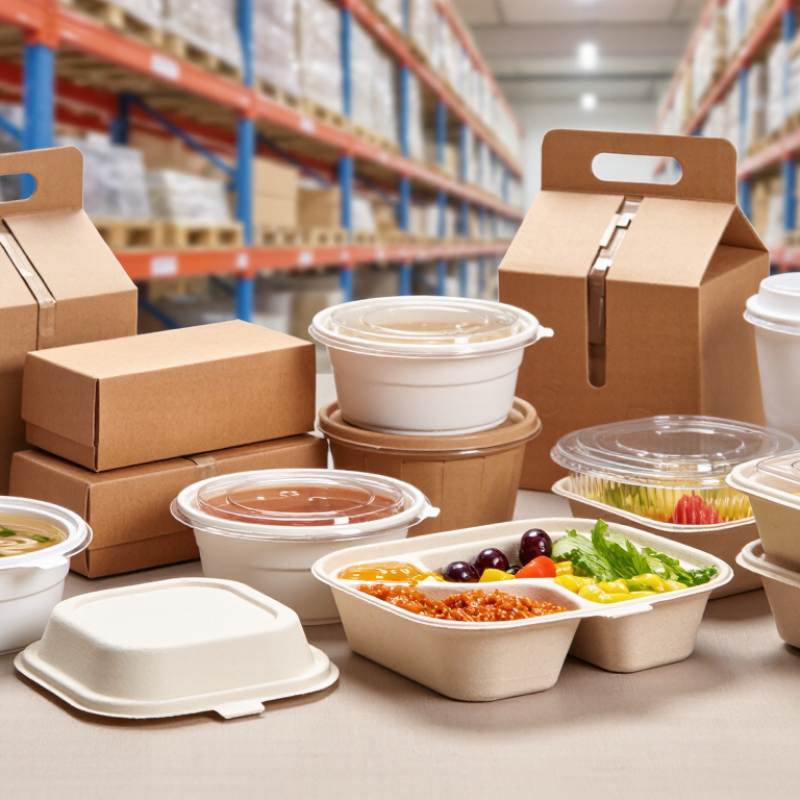
What Makes a Disposable Food Container Suitable for Global Buyers
For global buyers, suitability means more than a low unit price. A container must protect food across climates, transport routes, and service habits. FAO’s Food Loss Index reports that about 13% of food is lost before retail. Reliable sealing and portion control are practical buying criteria. I look for lids that close without excessive force. Wet sauces expose weak corners quickly. Short trials matter.
Material compliance is equally important. Buyers should request food-contact declarations, migration testing, and clear material specifications. Requirements differ across importing markets. The European Union, United States, and Asian markets use different documentation systems. A certificate helps, but traceable test scope matters more. For hot meals, verify performance at the actual filling temperature. For frozen products, test brittleness after storage.
UNEP’s Food Waste Index Report 2024 estimated 1.05 billion tonnes of food waste in 2022. Packaging cannot solve waste alone. Poor closures can worsen it.
Global handling also rewards nesting efficiency, stable stacking, and pallet-friendly cartons. These details influence freight costs and warehouse damage. I would examine disposal instructions and local collection capacity. A recyclable container may have little value without suitable sorting facilities.
“Eco-friendly” is not a test result. Compare weight, leakage rate, compression strength, and defect rate using identical samples. One weakness remains: short pilot runs may miss seasonal humidity or rough last-mile delivery. Repeat testing before a large order is wiser.
Key Materials, Designs, and Uses of Disposable Food Containers
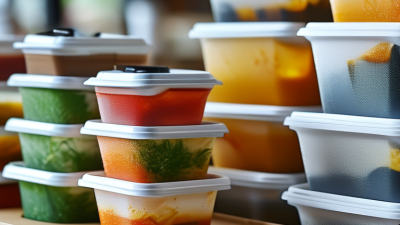
The best disposable food containers balance material, structure, and the meal they protect. Polypropylene suits hot soups because it tolerates heat and resists cracking. PET offers clear presentation for salads, fruit, and chilled desserts. Paperboard provides a firm surface for takeaway meals, while molded fiber creates a natural, textured appearance. Aluminum handles high temperatures well, but it is less suitable for microwave use.
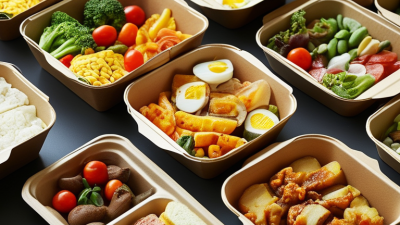
Design details often decide purchasing results. A tight rim prevents sauce leakage during delivery. A vented lid releases steam and helps fried food stay crisp. Stackable corners save shelf space in kitchens and warehouses. Transparent lids support quick inspection, while divided compartments separate rice, vegetables, and sauces. For greasy foods, a tested barrier coating matters more than appearance. Small details matter.
According to the OECD’s Global Plastics Outlook, packaging generated about 40% of global plastic waste in 2019. This figure makes material selection impossible to ignore. The United Nations Environment Programme also urges reductions in unnecessary single-use packaging. Yet no container is perfect. Recycled content may affect clarity or strength, and molded fiber can soften with heavy sauces. Buyers should request food-contact compliance documents, migration tests, temperature ratings, and leak-testing records. A practical trial remains essential. Fill containers with real meals, stack them, chill them, and transport them over uneven roads. Marketing claims can miss these ordinary failures.
How to Evaluate the Ten Best Disposable Food Container Options
Choosing the ten best disposable food containers requires more than comparing prices and photos. Global buyers should test each option against real serving conditions. Fill containers with hot soup, chilled salad, and oily noodles. Check leakage after thirty minutes. Measure lid pressure, stackability, and deformation during transport.
Material selection deserves careful judgment. The OECD Global Plastics Outlook reports that packaging created about 40% of global plastic waste in 2019. UNEP’s Turning off the Tap report also identifies packaging as a major single-use plastic application. These figures make material efficiency important, but “eco-friendly” claims need evidence. Ask for recycled-content records, compostability certifications, and food-contact declarations for the destination market. A thinner wall may reduce material use, yet it can fail under heat. That trade-off is easy to miss.
Tips: Build a simple scorecard for the ten options. Give separate scores for leak resistance, temperature tolerance, lid security, nesting efficiency, and verified documentation. Request samples from different production batches. One sample is not enough. I would also inspect the rim for sharp edges and test labels after refrigeration. No scoring system is perfect. Still, recorded failures are more useful than attractive catalog language. Smithers’ global packaging research shows continued demand for convenient food packaging, but convenience should not replace durability, traceability, or honest performance testing.
Safety, Sustainability, and Compliance Standards Across Global Markets
For global buyers, the ten best disposable food containers are not simply the cheapest or lightest. Safety, sustainability, and compliance must work together. A practical purchasing test checks the lid seal, odor, grease resistance, and temperature tolerance. It also reviews food-contact declarations, migration testing, and traceability records. Small gaps matter.
The OECD’s Global Plastics Outlook reports that packaging creates about 40% of global plastic waste. This makes material reduction important, but “eco-friendly” claims need evidence. Paper containers may require barrier coatings. Compostable products need suitable facilities, not just a compostable label. Standards such as EN 13432, ASTM D6400, ISO 18606, and local food-contact rules can support verification. Requirements differ across markets.
Buyers should request test reports for hot, acidic, and fatty foods. They should also confirm recycled-content limits and ink or adhesive compliance. The United Nations Environment Programme’s Turning off the Tap report identifies packaging as a major source of single-use plastic demand. Reusable systems may reduce waste, but transport and washing impacts deserve measurement. A recyclable container can still fail where collection systems are weak. That is the uncomfortable part. Supplier audits, batch codes, and updated certificates improve reliability, although paperwork never replaces physical inspection.
Buying Considerations for Cost, Shipping, Customization, and Supply Reliability
For global buyers, the best disposable food container is not always the cheapest factory quote. A practical ten-container shortlist should include tubs, trays, bowls, clamshells, and takeaway boxes. Compare the full landed cost: unit price, tooling, cartons, duties, inspection, and inland delivery. Ask every supplier to quote identical pack counts and pallet patterns. A 500 ml tub that nests tightly may outperform a cheaper option with excess air. Shipping is a serious variable. UNCTAD’s Review of Maritime Transport 2024 states that ships carry over 80% of world trade by volume. Dimensional weight, port fees, and route disruptions can erase small unit-price savings. I learned this the hard way. Test three shipping routes, not one.
Customization should solve a real handling or branding problem. Check lid fit, stack height, print durability, and opening performance before approving artwork. Request food-contact declarations, migration test results, lot traceability, and clear material specifications. The OECD’s Global Plastics Outlook reports that packaging created about 40% of plastic waste in 2019. UNEP’s 2023 Turning off the Tap report also emphasizes reduction and better packaging design. Lighter walls may reduce freight, but they can increase leakage or breakage. That trade-off deserves physical testing. Supply reliability needs evidence, not promises. Review production capacity, minimum order quantities, tooling ownership, defect limits, and corrective-action timing. Approve two material sources where feasible, and maintain a four-to-eight-week safety stock. Forecasts remain imperfect. Recheck them quarterly.