Top 10 Sustainable Packaging Solutions for Eco-Friendly Businesses
The growing awareness of environmental issues has led businesses across various industries to seek out Sustainable Packaging solutions that align with their eco-friendly goals. According to a report by Grand View Research, the global sustainable packaging market is expected to reach $1 trillion by 2027, growing at a compound annual growth rate of 7.7%. This shift reflects consumers' increasing preference for brands that demonstrate a commitment to sustainability. As studies show, approximately 74% of consumers are willing to pay more for products with environmentally friendly packaging, emphasizing the importance for businesses to adapt their packaging strategies.
In light of these trends, it is crucial for companies to explore innovative approaches to sustainable packaging that not only minimize environmental impact but also enhance brand loyalty. Research from the Sustainable Packaging Coalition indicates that effective sustainable packaging can significantly reduce waste, conserve resources, and lower carbon footprints. As organizations strive to meet both regulatory standards and customer expectations, integrating sustainable packaging solutions is not just a trend, but a necessary strategy for long-term success in a competitive market. This article will delve into the top 10 sustainable packaging solutions that can help eco-friendly businesses lead the way in environmental stewardship and consumer appeal.
Sustainable Packaging Overview: Importance for Eco-Friendly Businesses
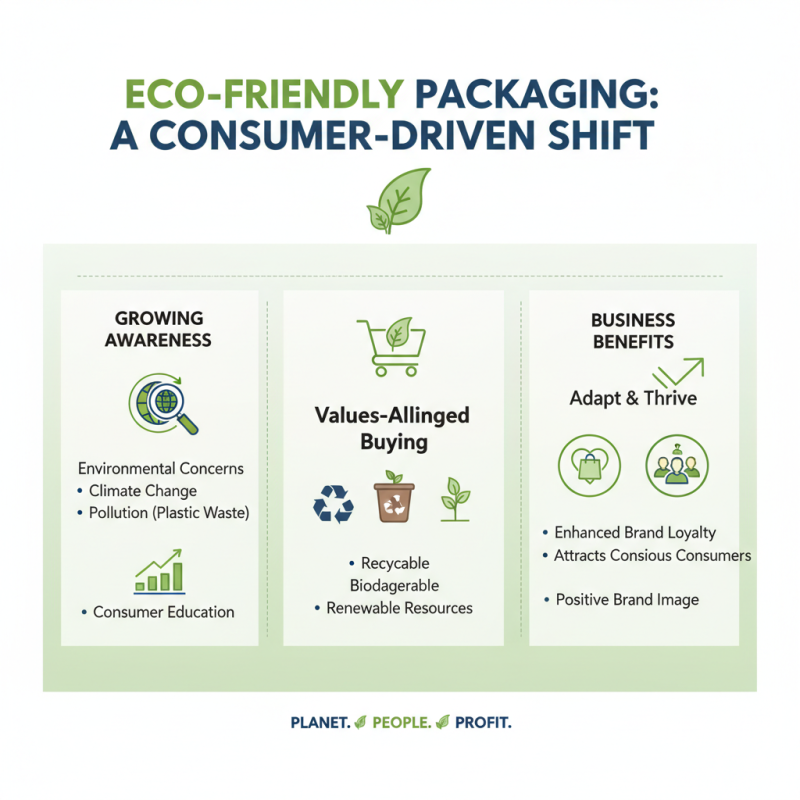
Sustainable packaging is becoming increasingly vital for eco-friendly businesses as consumers demand greater accountability and environmental stewardship from the brands they support. Utilizing sustainable packaging solutions not only reduces a company's ecological footprint but also enhances brand loyalty among environmentally conscious consumers. By opting for materials that are biodegradable, recyclable, or made from renewable resources, businesses can significantly lessen their impact on the planet while also appealing to a growing market segment that prioritizes sustainability.
The importance of sustainable packaging extends beyond consumer appeal; it also provides operational benefits. Companies that invest in eco-friendly packaging practices often see a reduction in costs associated with waste management and resource consumption. Furthermore, aligning branding with sustainable practices fosters a culture of responsibility and innovation, encouraging teams to seek out additional ways to enhance sustainability throughout their operations. In this competitive landscape, adopting sustainable packaging not only drives growth but also positions businesses as leaders in a movement towards a more sustainable future.
Market Trends: Growth of Sustainable Packaging in Global Industries
The growth of sustainable packaging in global industries is driven by an increasing awareness of environmental issues and a shift in consumer preferences towards eco-friendly practices. As more businesses commit to sustainability, the demand for innovative packaging solutions has surged. Industries ranging from food and beverage to cosmetics and electronics are now prioritizing materials that are biodegradable, recyclable, or made from renewable resources. This trend is not only a response to regulatory challenges but also a strategic move to enhance brand image and customer loyalty.
Market trends indicate that companies investing in sustainable packaging enjoy numerous benefits, including cost savings in materials and waste management, as well as enhanced market competitiveness. By integrating sustainable practices into their supply chains, businesses are increasingly able to meet the expectations of environmentally-conscious consumers. Moreover, the rise of e-commerce and online shopping has heightened the need for protective yet sustainable packaging options, further emphasizing the importance of innovative approaches in this sector. As sustainability becomes a benchmark for success, the packaging industry is poised for significant transformation, reflecting a broader commitment to environmental stewardship across the globe.
Top 10 Sustainable Packaging Solutions for Eco-Friendly Businesses
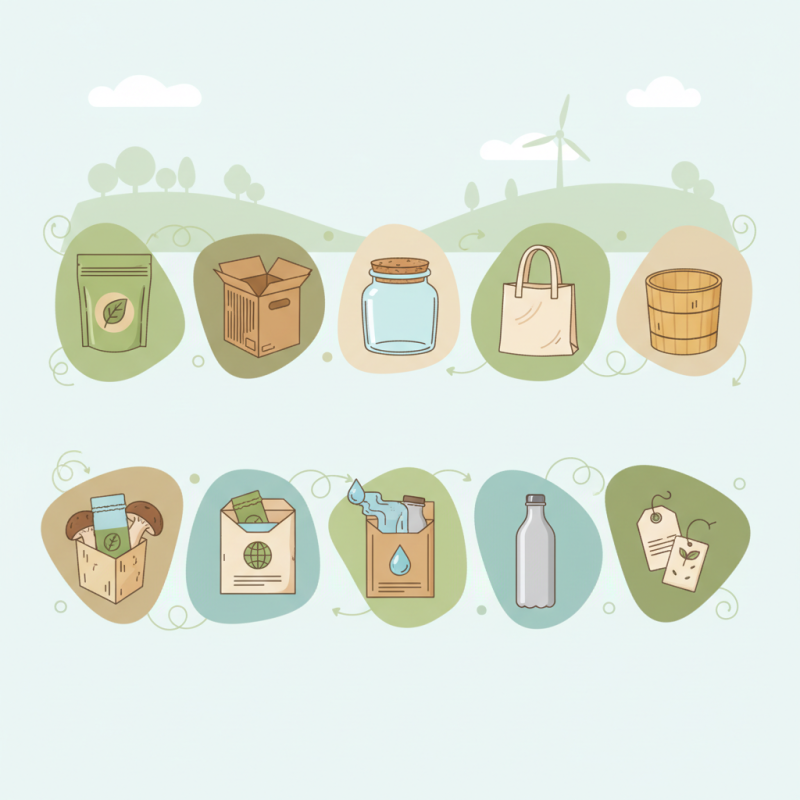
This chart illustrates the growth of various sustainable packaging solutions in global industries, highlighting the increasing adoption of eco-friendly materials and technologies.
Top Biodegradable Materials: Innovations in Sustainable Packaging Solutions
As businesses increasingly recognize the environmental impact of their packaging choices, innovative biodegradable materials are leading the charge toward sustainable solutions. According to a report by Smithers Pira, the global biodegradable packaging market is estimated to reach $10.2 billion by 2025, driven by rising consumer demand for eco-friendly options. Materials such as plant-based plastics, compostable paper, and mycelium offer viable alternatives to conventional options, minimizing waste and reducing the carbon footprint.
Adopting these innovative materials not only benefits the environment but can also enhance a brand's reputation. Research indicates that 72% of consumers are willing to pay more for products that come in sustainable packaging, highlighting the importance of making mindful choices. Additionally, biodegradable materials break down more efficiently, which is crucial in reducing landfill burden and pollution. Organizations that switch to these solutions are often met with a more sustainable supply chain and improved customer loyalty.
Tips: When considering biodegradable materials, evaluate
certifications and standards to ensure they meet compostability requirements in your region. Additionally, educate consumers on proper disposal methods to maximize environmental benefits. Finally, keep an eye on emerging technologies in the packaging industry, as innovations in materials science continue to pave the way for increasingly sustainable options.
Consumer Preferences: The Demand Shift Toward Eco-Friendly Packaging
As consumer awareness of environmental issues grows, there is a noticeable shift in preferences toward eco-friendly packaging. Today's consumers are increasingly seeking products that align with their values, and sustainable packaging has become a critical factor in their purchasing decisions. Businesses looking to thrive in this evolving market must adapt to these preferences by considering materials that are recyclable, biodegradable, or sourced from renewable resources. This transition not only benefits the planet but can also enhance brand loyalty and attract a socially-conscious customer base.
Tips for businesses looking to embrace sustainable packaging include evaluating materials for their environmental impact and opting for designs that minimize waste. Consider using post-consumer recycled materials or innovative alternatives like mushroom-based packaging. Furthermore, transparency is essential; consumers appreciate knowing how and where their packaging materials are sourced. Engaging customers by sharing your sustainability journey can foster a stronger connection and reinforce your commitment to eco-friendly practices.
Another important aspect to consider is the packaging's recyclability and the disposal path available to consumers. Providing clear instructions on how to properly dispose of or recycle the packaging can encourage responsible behavior and improve overall sustainability. Incorporating these strategies not only meets consumer demand but also positions your business as a forward-thinking leader in sustainability.
Cost-Benefit Analysis: Evaluating Sustainable Options for Businesses
As businesses increasingly prioritize sustainability, conducting a cost-benefit analysis of sustainable packaging options becomes critical. According to a 2021 report by Smithers, the sustainable packaging market is projected to reach $711 billion by 2027, with a compound annual growth rate (CAGR) of 7.7%. This growth signifies an increasing corporate commitment to eco-friendly practices, where businesses can enjoy both environmental benefits and potential cost savings. By transitioning to sustainable packaging solutions such as biodegradable materials or recycled content, companies can significantly reduce their carbon footprint and appeal to an eco-conscious consumer base.
Furthermore, a report from the Ellen MacArthur Foundation indicates that companies adopting sustainable materials can experience up to a 50% reduction in packaging costs over a product's lifecycle, thanks to improvements in efficiency and resource management. While the initial investment in sustainable packaging may be higher, the long-term savings and brand loyalty generated through responsible practices prove advantageous. Businesses that integrate sustainable packaging into their operations not only contribute positively to the environment but also position themselves competitively in a marketplace that increasingly values sustainability. As a result, the analysis shows that prioritizing sustainable packaging is not merely an ethical choice but also a financially sound strategy for the modern business landscape.