10 Essential Tips for Food In Packaging to Ensure Freshness and Safety
The freshness and safety of food largely depend on effective Food In Packaging. This process is not just about aesthetics. It plays a critical role in food preservation. The right packaging materials protect ingredients from spoilage and contamination.
Many consumers overlook the impact of packaging on food safety. Poor choices can lead to waste or unhealthy meals. The ideal packaging should provide a barrier against oxygen, moisture, and light. This can significantly extend shelf life. Additionally, labeling is essential. Clear information helps consumers make informed choices and reduces waste.
Some food packaging designs may lack functionality. They might look good on shelves but do not protect the food adequately. A thoughtful approach to Food In Packaging ensures quality and safety. By considering the materials and methods used, we can improve food experiences. Freshness and safety are not just goals; they require continual effort and adjustment.

Understanding the Importance of Food Packaging for Freshness
Food packaging plays a critical role in maintaining freshness and ensuring safety. Properly designed packaging can significantly extend the shelf life of food. It acts as a barrier against contaminants, humidity, and external odors. This is essential, especially for products like meat, dairy, and fresh produce. When choosing packaging materials, it’s vital to consider their protective qualities.
One effective tip is using vacuum sealing. This method removes air, slowing down spoilage. Additionally, choosing materials that are resistant to punctures can prevent leaks. Another good practice is to label packaging with clear dates. This helps consumers track freshness and reduce waste. However, not everyone checks these dates regularly, leading to unnecessary food loss.
Proper storage is equally important. Keep packaged goods in a cool, dry place. Temperature fluctuations can ruin food even if it's well-packaged. Sometimes, people forget about items tucked away in cupboards. Regularly revisiting your inventory can help avoid this issue. Overall, attention to packaging details is crucial for maintaining food quality.
Choosing the Right Materials for Food Safety and Preservation
Choosing the right materials for food packaging is crucial. Studies show that
about 30% of food waste is linked to improper packaging. Using materials that trap moisture and
oxygen can extend shelf life. For instance, vacuum sealing can keep perishable foods fresh for weeks.
A report from the Food Packaging Institute states that
flexible packaging can reduce spoilage by up to 25%. This type of packaging is
lightweight and adaptable. However, it is essential to ensure that the materials are
recyclable or biodegradable. Many consumers are concerned about plastic waste, so
sustainable options should be explored.
Not all packaging solutions are effective for every food item.
Fresh produce, for example, needs breathable
materials to prevent decay. Yet, some packaging choices fail to strike this balance. Proper training on
material selection is often missing in food companies. This can lead to mistakes that compromise
freshness and safety.
Best Practices for Sealing and Storing Packaged Food
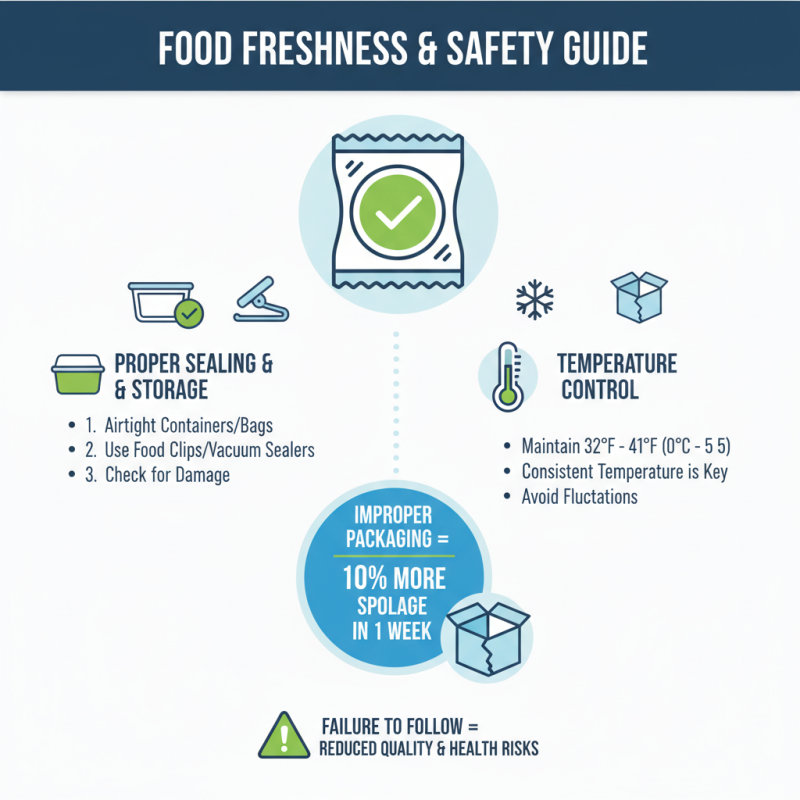
Proper sealing and storing of packaged food is critical for maintaining its freshness and safety. Studies show that improper packaging can lead to a 10% increase in spoilage within just a week. Ensure you maintain a consistent temperature during storage. Many foods thrive best at temperatures between 32°F to 41°F. Failure to adhere to these guidelines can affect quality and lead to health risks.
When sealing food, vacuum sealing is one of the best practices. This method removes air, which can cause oxidation. It extends the shelf life by an average of 2 to 3 times compared to traditional methods. However, poor sealing can compromise this benefit. Regularly inspect seals. A tiny gap can mean the difference between fresh and spoiled food.
It’s important to store items in dark, cool places. Light exposure can degrade certain nutrients. A surprising 30% of people still store foods in transparent containers without considering this aspect. You may think clear containers look nicer, but they can lead to nutrient loss. Understanding these nuances is key for keeping food fresh longer. Proper practices can sometimes feel tedious, but the results justify the effort.
Labeling and Expiration Dates: Key Factors for Consumer Safety
Labeling and expiration dates are crucial for consumer safety. They help inform buyers about product freshness. A clear label displays important information. It should include the product name, ingredients, and nutritional facts. This transparency allows consumers to make informed choices. If a date is unclear, questions arise. Is the product still good? Labels should prioritize legibility and simplicity.
Expiration dates signify how long food remains safe to consume. Products may spoil earlier than indicated if not stored properly. For instance, dairy can sour before the printed date. Improper refrigeration or exposure to light affects quality. Consumers often overlook this. It’s vital to check for signs of spoilage. Visual cues like discoloration or off odors are key. Sometimes, we trust the date too much. Expired products can lead to health risks, which is concerning.
Consumers should know that not all foods follow a strict expiration. Some items may still be usable past their date. These include canned goods or dried products. Understanding this can reduce food waste. As we reflect on our shopping habits, let’s prioritize both safety and resourcefulness. Labels and dates deserve our attention, but active checking is essential too. Taking these extra steps can lead to better choices in our kitchens.
10 Essential Tips for Food In Packaging to Ensure Freshness and Safety
| Tip Number |
Tip Description |
Key Factor |
Importance |
| 1 |
Use high-quality materials for packaging. |
Material Quality |
High |
| 2 |
Implement vacuum sealing for perishable items. |
Preservation |
High |
| 3 |
Ensure tamper-evident packaging. |
Safety |
Critical |
| 4 |
Include clear labeling with expiration dates. |
Labeling |
Very High |
| 5 |
Utilize moisture-proof packaging. |
Moisture Control |
High |
| 6 |
Design packaging for easy storage. |
Storage Efficiency |
Medium |
| 7 |
Incorporate eco-friendly materials. |
Sustainability |
Increasingly Important |
| 8 |
Use child-resistant packaging for hazardous items. |
Child Safety |
Critical |
| 9 |
Incorporate date coding for traceability. |
Traceability |
Very High |
| 10 |
Optimize package size for reduced waste. |
Waste Reduction |
Medium |
Innovations in Food Packaging Technology for Enhanced Freshness
Innovations in food packaging are transforming how we preserve freshness. Advanced materials now include
breathable films that allow gases to escape. This keeps
fruits and vegetables crisp longer. Active packaging goes even
further. It incorporates additives that absorb oxygen and moisture. These features help inhibit spoilage and
extend shelf life.
Sustainable practices are gaining traction too. Biodegradable materials are being developed to reduce waste.
While these innovations sound promising, they aren’t without challenges. Some
materials may not perform well under all conditions. Their effectiveness can vary based on the type of food
packaged. Additionally, the cost of sustainable packaging can be higher.
As industry leaders adopt these technologies, there is a growing need for education. Consumers need to understand
what packaging choices mean for food safety. Not all
packaging is created equal. Sometimes, assumptions lead to waste. It is crucial to choose the right packaging for
different foods. Continued research and testing will help refine these solutions.