10 Best Plastic Spoons for Catering and Foodservice
Choosing the right Plastic Spoons can shape a catering event more than many buyers expect. A flimsy spoon bends beside a hot dessert. A rough edge can make guests hesitate. Small details become visible quickly.
This guide, “10 Best Plastic Spoons for Catering and Foodservice,” examines practical choices for busy kitchens, buffets, cafés, and large events. It considers strength, bowl depth, handle comfort, heat resistance, appearance, packaging, and cost per serving. These factors matter when staff serve hundreds of portions within a short window. They also matter when customers judge quality through touch.
Packaging analyst David Luttenberger offers a useful principle: “Packaging is part of the eating experience.” That idea applies directly to disposable cutlery. A spoon should support the food, not distract from it. Soup needs a stable bowl. Thick pudding needs a firm handle. Delicate desserts may need a cleaner, more refined finish.
Not every “heavy-duty” claim feels convincing. Some spoons look strong but flex under ordinary use. Others perform well yet create unnecessary waste. This guide recognizes those trade-offs instead of treating one product as perfect.
Real service conditions reveal more than product photographs. Staff may grab spoons with wet hands. Guests may stir thick sauces. Storage cartons may sit in warm delivery areas. The best Plastic Spoons balance reliability, comfort, presentation, and responsible purchasing decisions. Read closely. The practical winner may not be the most expensive option.
Types of Plastic Spoons for Catering and Foodservice
Types of Plastic Spoons for Catering and Foodservice
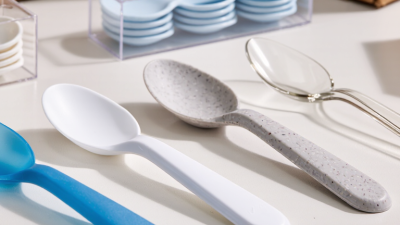
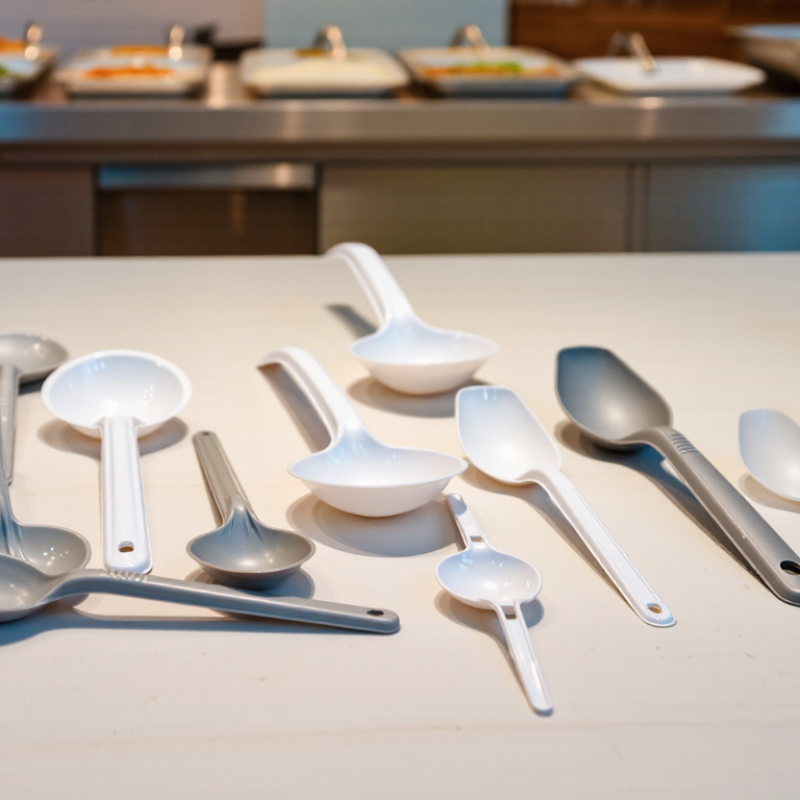
Choosing a plastic spoon starts with the menu, serving temperature, and expected handling. Teaspoons suit coffee stations, desserts, and small tasting portions. Standard soup spoons offer deeper bowls for broths, rice, and soft foods. Tablespoons handle heavier servings, although thin handles can bend beside a full tray. Short tasting spoons reduce portion size and waste. Slotted spoons help drain fruit, pickles, and chilled salads. They are useful at buffet counters.
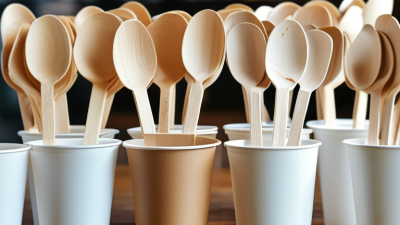
Material selection changes performance. Polypropylene spoons usually tolerate more heat than polystyrene options, but operators should check the supplier’s temperature rating. Compostable spoons made from plant-based polymers can support sustainability goals, yet they may soften in hot soup. According to the U.S. Environmental Protection Agency’s 2018 Facts and Figures report, plastic containers and packaging generated 14.5 million tons of waste, while only 2.4 million tons were recycled. That figure makes disposal planning part of responsible catering.
Large events need more than attractive designs. Check bowl depth, handle length, carton counts, and break resistance before ordering. A 2024 foodservice disposables market report by Grand View Research identifies convenience and takeaway demand as major growth drivers. That trend favors lightweight spoons, but lighter does not always mean better. I have seen narrow handles twist during busy service. Test several spoon types with real food, not empty trays. Small differences become obvious when staff serve hundreds of portions.
10 Best Plastic Spoons for Catering and Foodservice
Types of Plastic Spoons by Nominal Bowl Capacity
The chart compares common disposable plastic spoon formats used in catering and foodservice. Capacities are representative nominal values in milliliters; actual capacity varies by spoon geometry, material, and manufacturer.
Top 10 Plastic Spoons for Professional Foodservice Use
In professional foodservice, the top ten plastic spoons are defined by performance, not appearance. The strongest choices include heavy-duty reusable spoons, clear tasting spoons, compostable service spoons, long-handled dessert spoons, and shallow sampling spoons. Add soup spoons, portion-control spoons, individually wrapped spoons, heat-resistant spoons, and economical everyday spoons. That is ten useful categories. Each serves a different station. At a buffet, a rigid bowl prevents bending beside hot stew. For catering trays, a longer handle keeps fingers away from sauces and chilled salads. A clear spoon helps staff inspect color and texture during tasting. Yet clear plastic can look fragile. Some still crack.
Experienced buyers should check bowl depth, handle strength, edge smoothness, and grip comfort. A spoon that feels fine for one sample may become tiring after hundreds of servings. Food-contact suitability, temperature limits, and local disposal requirements also need verification. Polypropylene often suits warm foods, while other materials may perform better for cold desserts or brief tasting service. Test spoons under real conditions, including stacked transport and crowded serving lines. I once selected the thickest option, assuming it would be safest. It resisted bending but wasted storage space and felt awkward for children. That mistake changed my evaluation method. Staff feedback matters. So does cleanup time. A reliable spoon should arrive clean, remain stable during service, and leave no sharp edges after handling. Small details matter here.
10 Best Plastic Spoons for Catering and Foodservice - Top 10 Plastic Spoons for Professional Foodservice Use
| Rank |
Spoon Type |
Common Material |
Typical Length |
Bowl Capacity |
Typical Heat Use |
Best Catering Application |
Professional Service Advantages |
| 1 |
Heavy-Duty Clear Spoon |
Polystyrene (PS) |
17–18 cm |
7–10 mL |
Up to about 70°C |
Dessert stations, buffets, and cold or warm appetizers |
Rigid construction, polished appearance, and easy portion control |
| 2 |
Reusable-Style PP Spoon |
Polypropylene (PP) |
16–18 cm |
6–9 mL |
Up to about 100°C |
Hot buffet lines, takeaway meals, and institutional dining |
More flexible and heat-tolerant than standard PS for many foodservice tasks |
| 3 |
Black Serving Spoon |
Polystyrene (PS) |
17–19 cm |
7–10 mL |
Up to about 70°C |
Corporate events, plated desserts, and color-coordinated buffets |
Hides food stains well and provides a formal, consistent presentation |
| 4 |
Clear PET Tasting Spoon |
Polyethylene terephthalate (PET) |
10–13 cm |
2–5 mL |
Up to about 60°C |
Food tastings, canapé service, samples, and culinary demonstrations |
Transparent presentation makes small portions easy to inspect |
| 5 |
Large PP Soup Spoon |
Polypropylene (PP) |
18–20 cm |
9–12 mL |
Up to about 100°C |
Soup counters, noodle stations, food trucks, and meal delivery |
Deeper bowl handles broths and sauces with less dripping |
| 6 |
CPLA Compostable Spoon |
Crystallized polylactic acid (CPLA) |
16–18 cm |
6–9 mL |
Usually up to about 85°C |
Events requiring compostable-serviceware options |
Plant-based material option with good stiffness; requires suitable commercial composting facilities |
| 7 |
Short Dessert Spoon |
Polystyrene (PS) |
12–15 cm |
3–6 mL |
Up to about 70°C |
Ice cream, yogurt, fruit cups, and dessert bars |
Compact size fits small cups and reduces excess utensil material |
| 8 |
Long-Handle PP Spoon |
Polypropylene (PP) |
19–22 cm |
5–8 mL |
Up to about 100°C |
Tall beverage cups, parfaits, layered desserts, and smoothies |
Extended handle reaches the bottom of deep containers |
| 9 |
Individually Wrapped PS Spoon |
Polystyrene (PS) |
16–18 cm |
6–9 mL |
Up to about 70°C |
Healthcare catering, schools, transport catering, and outdoor events |
Individual wrapping improves hygiene and simplifies controlled distribution |
| 10 |
Mini Sampling Spoon |
Polypropylene (PP) or PS |
8–11 cm |
1–3 mL |
About 60–90°C |
Product launches, tasting counters, sauces, and portion samples |
Small bowl supports controlled sampling and minimizes food waste |
Note: Dimensions and temperature figures represent common foodservice specification ranges. Actual performance depends on spoon design, resin formulation, manufacturing quality, and supplier instructions. Always verify food-contact compliance and temperature limits before professional use.
Best Plastic Spoons for Different Catering Applications
Choosing the right spoon depends on the service moment, not only the price.
For hot soups, curries, and pasta, use polypropylene spoons with tested heat resistance and deeper bowls. They reduce bending beside steam tables.
For plated desserts, a smaller spoon with a narrow, polished edge gives guests better control. Buffet stations need thicker handles and wider bowls, especially when guests serve themselves quickly.
Tasting counters require compact spoons that can be replenished without crowding the tray. Fit matters.
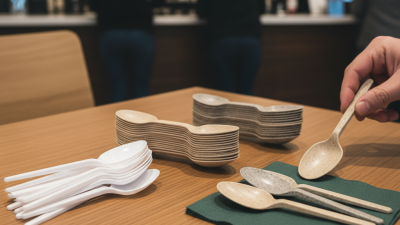
Takeaway meals call for stackable spoons with smooth edges and reliable packaging hygiene. For coffee, yogurt, or soft fruit, shorter spoons save space and reduce unnecessary material.
The U.S. Environmental Protection Agency reported 82.2 million tons of containers and packaging in municipal waste during 2018, representing 28.1% of total generation.
That figure makes portion planning and right-sizing worth serious attention. UNEP’s Food Waste Index Report 2024 estimated 1.05 billion tonnes of food waste in 2022, with foodservice responsible for 28%.
A spoon that holds the intended portion can support cleaner service and fewer discarded meals. My selection process is not perfect; staff preferences sometimes outweigh technical specifications. Trial each spoon beside the actual dish, temperature, and service speed. Small details often decide whether a catering line feels controlled or chaotic.
Safety, Sustainability, and Cost Considerations
10 Best Plastic Spoons for Catering and Foodservice
Choosing the ten best plastic spoons starts with safety, not appearance. In busy catering work, I check spoon strength, smooth edges, and resistance to hot foods. A brittle spoon can crack beside a steaming soup pot. A sharp edge can also create an unpleasant guest experience. Food-contact suitability matters. Suppliers should provide clear material information and testing documents. Do not rely on attractive packaging alone.
Sustainability requires careful thinking.
Reusable plastic spoons can reduce waste when washing systems are reliable and water use is controlled. Single-use options may be practical for large outdoor events, but disposal often becomes the weak point. Compostable does not mean composted. Many facilities cannot process these items. Recycled-content plastic may reduce virgin material use, although it still needs responsible disposal. No option is perfect. I would compare the full service cycle, not just the spoon material.
Tips:
Test samples with hot soup, thick desserts, and chilled salads before ordering. Bend ten spoons from each sample pack. Record breakage, comfort, and cleaning performance. Calculate cost per meal, including replacements and waste handling. A cheaper spoon can become expensive during a crowded service. Pack sizes also matter; oversized cartons may create storage problems and hidden labor. Recheck supplier documents annually, because material claims and local waste rules can change.