Best Plastic Food Containers for Safe Food Storage Tips?
In today's fast-paced world, finding the right storage solutions is crucial. Plastic food containers are a popular choice for many households. They offer convenience and versatility. According to Dr. Susan H. Taylor, a leading expert in food safety, "Using quality plastic food containers can transform how we store and enjoy our meals."
However, not all plastic food containers are created equal. Some contain harmful chemicals that may leach into food. It's important to choose BPA-free options for safe storage. Additionally, proper cleaning and maintenance can extend the lifespan of these containers. While they are practical, many people overlook the importance of selecting the right type.
Storage solutions should provide both safety and quality. Investing in high-quality plastic food containers can reduce waste and enhance meal preparation. Careful selection ensures that your food stays fresh and nutritious. The journey of finding the best options requires thoughtfulness and a bit of research. Make informed choices for a healthier kitchen.
Best Plastic Food Containers: Overview of Types and Materials
When choosing plastic food containers, understanding materials is key. BPA-free plastics are essential for safe food storage. Research from the Journal of Food Science indicates that while BPA can leach into food, BPA-free options significantly reduce this risk.
Polyethylene (PE) is common in food containers. It's durable and safe for all types of food. Polypropylene (PP) is another popular choice. It resists heat and can be used in microwaves. However, long-term use may degrade some properties, affecting seal integrity. A study published in the International Journal of Biotechnology suggests that plastic may absorb certain odors and stains, impacting food quality.
Experts recommend avoiding repeated use of single-use containers. Limited lifespan can lead to microplastic release. Regularly replacing old containers ensures food safety. According to the National Sanitation Foundation, over 80% of consumers do not replace plastic containers regularly. Reflecting on this, ensuring pristine storage conditions is paramount.
Key Features to Look for in Safe Plastic Food Containers
When choosing safe plastic food containers, consider material safety as a top priority. BPA-free plastics are essential. BPA is a chemical that can interfere with hormonal balance. Look for containers labeled as microwave-safe. Not all plastics can handle high heat without releasing harmful substances.
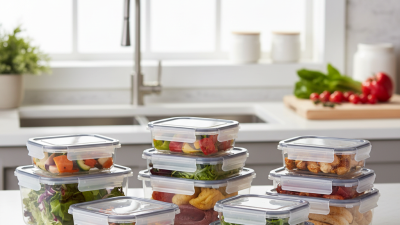
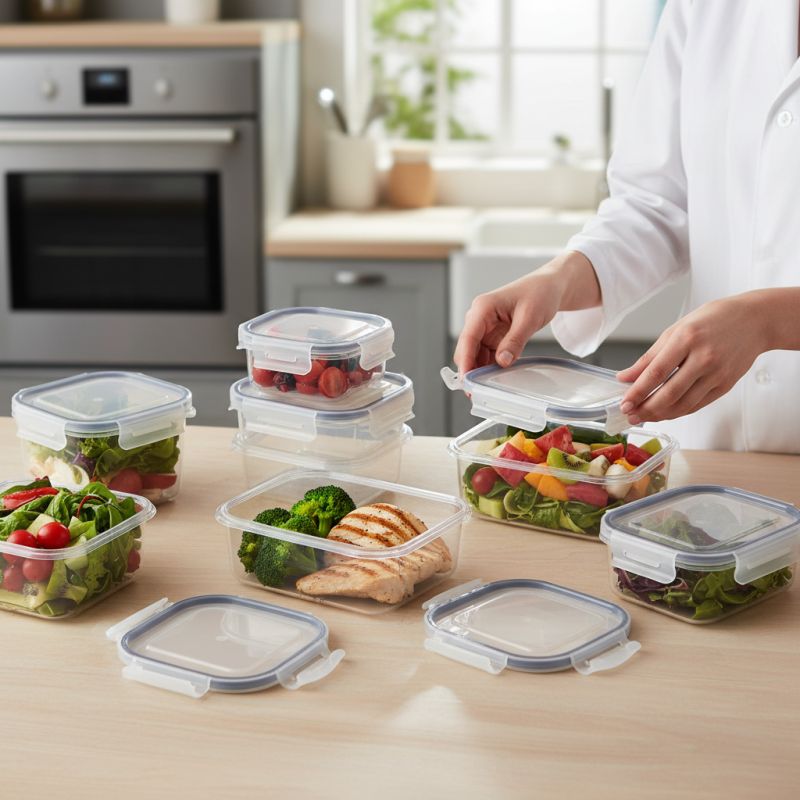
Sealing capability is vital. A reliable lid prevents leaks and maintains freshness. Check for airtight seals. A container that doesn’t close properly can lead to spoilage. Transparency also matters. Clear containers help easily identify contents without opening them. They prevent unnecessary exposure to air and bacteria.
Durability is often overlooked. Thin, flimsy containers are prone to cracking or warping. Investing in sturdier options can save money in the long run. However, keep in mind that even durable containers need proper maintenance. Cleaning them thoroughly is essential to avoid odor retention. Remember to replace them when they show signs of wear. This ensures safe food storage.
Guidelines for Proper Food Storage in Plastic Containers
Proper food storage is crucial for maintaining food safety and quality. According to the USDA, improper food storage can lead to foodborne illnesses, affecting millions annually. Plastic food containers can be helpful when used correctly.
Using plastic containers that are BPA-free is essential. BPA exposure has been linked to health concerns. Aim for containers that are specifically labeled for food storage. In a survey by the Food Safety Authority, 52% of participants reported using inappropriate containers for storing leftovers. This is concerning, as harmful chemicals can leach into food over time.
Understanding different plastics is vital. Some materials, like polyethylene, are safe for food storage. Others, such as polystyrene, may not be. The FDA encourages consumers to check for recycling codes. It’s also essential to avoid heating plastic containers in the microwave unless labeled microwave-safe. Doing so can cause chemicals to migrate into food, posing potential health risks.
Tips for Cleaning and Maintaining Plastic Food Containers
Cleaning and maintaining plastic food containers is essential for keeping your food safe and fresh. Regular cleaning prevents odors and stains from setting in. Wash your containers with warm soapy water after each use. Pay attention to corners where food particles can hide. Rinse thoroughly to remove soap residue.
For tough stains, baking soda is your friend. A paste made of baking soda and water can work wonders. Apply it to the stained areas and let it sit for a few hours before scrubbing. Also, ensure that you store containers with lids off to avoid any moisture build-up.
Be mindful of the lifespan of your containers. Even high-quality plastic can wear out over time. Look for signs of warping or discoloration. If you notice these, it’s time for a replacement. Remember, your health is paramount. Care for your food storage means caring for yourself and your family.
Best Plastic Food Containers for Safe Food Storage Tips
| Container Type |
Material |
Capacity |
Microwave Safe |
Dishwasher Safe |
| Rectangular Container |
Polypropylene (PP) |
1.5L |
Yes |
Yes |
| Round Container |
Polyethylene (PE) |
2L |
No |
Yes |
| Square Container |
BPA-free Plastic |
1L |
Yes |
Yes |
| Multi-compartment Container |
Polypropylene (PP) |
1.2L |
Yes |
Yes |
| Stackable Container |
Polyethylene (PE) |
3L |
No |
Yes |
The Environmental Impact of Using Plastic Food Containers
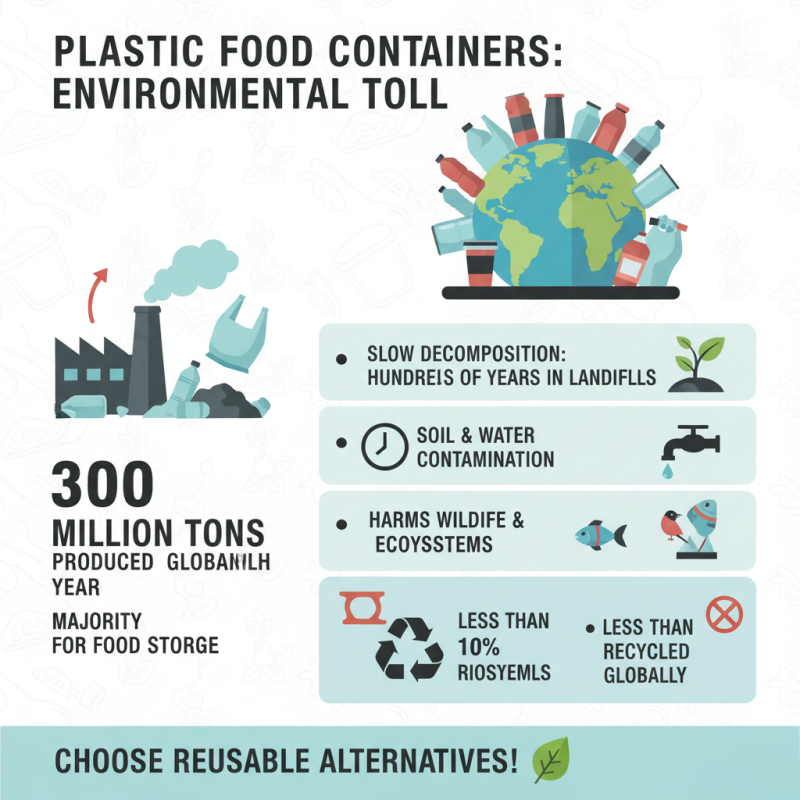
The use of plastic food containers has raised significant environmental concerns. Reports indicate that around 300 million tons of plastic are produced globally each year, with a substantial portion dedicated to food storage. These containers often end up in landfills, taking hundreds of years to decompose. Plastic pollution leads to severe soil and water contamination, impacting wildlife and ecosystems.
Recycling plastic is a common strategy, yet only 9% of plastic waste is effectively recycled. This means most containers enter our environment, contributing to the estimated 1.3 billion tons of waste generated annually, according to the World Bank. Many consumers rely on convenience rather than sustainable options. The reality is that while plastic containers are practical, their long-term environmental cost is high.
Transitioning to more eco-friendly materials, like glass or biodegradable options, poses challenges. These alternatives can be heavier and, therefore, more expensive to produce and transport. Moreover, consumer habits can hinder progress. More education is needed on the implications of plastic waste. As awareness grows, so must our commitment to reducing plastic reliance, making sustainable choices for food storage essential.