Leave Your Message

10 Best Food Packaging Box Suppliers Worldwide

Choosing the right food packaging supplier affects freshness, presentation, safety, and operating costs. This guide introduces 10 leading Food Packaging Box suppliers worldwide, based on practical purchasing factors rather than impressive claims alone. We consider material quality, printing consistency, production capacity, customization, minimum order quantities, and delivery reliability. A strong supplier should understand more than cardboard thickness. They should know how moisture, grease, heat, stacking, and transport can affect the final package.

Real packaging decisions often happen around a busy filling line. A box may look excellent in a sample, yet weaken when exposed to steam or refrigeration. That difference matters. Each company in this guide is reviewed through an experience-based lens, including product range, manufacturing capabilities, quality controls, sustainability practices, and customer support. Certifications and compliance statements should always be verified directly with suppliers. Paperwork alone cannot replace a production sample.

Not every supplier fits every buyer. A local bakery may need short runs and fast revisions, while a global restaurant chain may prioritize uniform output across several regions. Pricing can also be difficult to compare because tooling, coatings, shipping, and testing may be excluded. This is where a Box For Food Packaging supplier should provide clear specifications and realistic quotations. Some rankings may change as markets, technologies, and regulations develop. That is worth remembering. The best choice is not always the largest company. It is the supplier that consistently delivers safe, functional, and attractive packaging for your actual products.
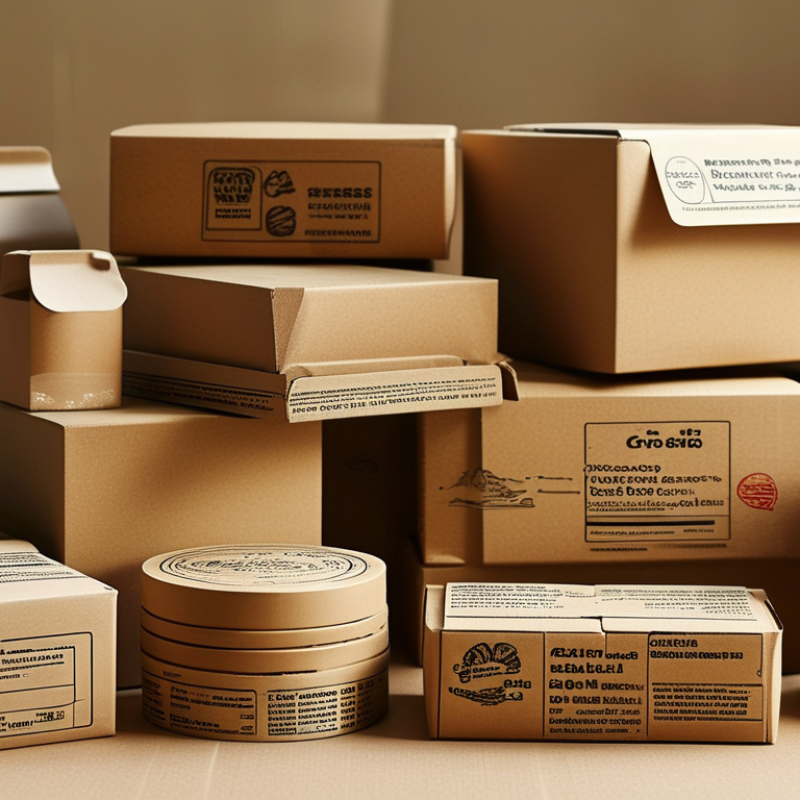
10 Best Food Packaging Box Suppliers Worldwide

What Makes a Food Packaging Box Supplier Stand Out Worldwide

A standout food packaging box supplier proves quality beyond attractive samples. Their team explains board grade, coating limits, moisture resistance, and stacking performance in clear terms. They provide batch records, migration test results, and traceable production dates. This evidence matters when boxes hold chilled foods, oily fillings, or dry products in humid warehouses.

Practical experience appears in small details. Corners stay square. Folding lines align. Printing remains readable after handling. Reliable suppliers test compression, vibration, temperature changes, and repeated opening. They also understand regional shipping requirements, pallet dimensions, lead times, and documentation. A useful supplier does not simply promise customization. They confirm whether a design can run efficiently without creating excessive waste.

Sustainability claims require careful checking. A supplier should identify recycled content, coating type, fiber source, and disposal limits with supporting documents. No supplier gets everything right. A promising sample can still fail during high-volume production. I would request a pilot run, inspect random cartons, and compare results with agreed specifications. Clear communication during a delay also reveals more than polished sales language. The strongest partners report defects early, suggest workable corrections, and keep quality records available for review.
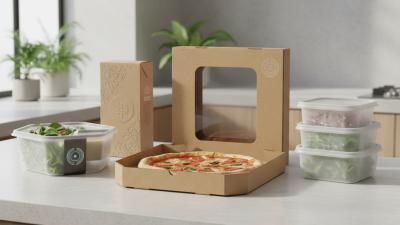
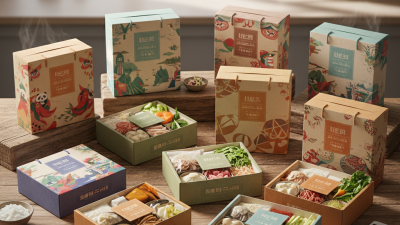
Key Criteria for Evaluating Food Packaging Box Manufacturers

Choosing among worldwide food packaging box suppliers requires more than comparing catalog prices. In my sourcing experience, reliable evaluation begins with the box’s intended use. Ask whether it protects dry snacks, frozen meals, oily foods, or bakery items. Moisture, grease, temperature, stacking pressure, and transport time change the specification. A supplier should explain board grade, coating, adhesive, ink, and food-contact suitability clearly. Vague answers are a warning.

Request production samples, not only digital images. Check fold accuracy, edge strength, odor, print consistency, and performance after refrigeration or compression. Compare samples with identical dimensions. This keeps the assessment fair. Review quality-control records, batch traceability, and complaint procedures. Independent test reports can support claims, but verify their scope and date. Manufacturing capacity matters too. A factory may quote impressive volumes yet struggle with small pilot orders. That detail is easy to miss. I would also question unusually low prices. They may exclude tooling, artwork changes, freight, or realistic lead times.

Tips: Create a scorecard covering material safety, testing, capacity, communication, and delivery. Ask for references from comparable food businesses. Visit the facility when practical. If that is impossible, request a live production video and recent inspection evidence. Allow room for doubt; supplier selection is rarely perfect.

10 Best Food Packaging Box Suppliers Worldwide - Key Criteria for Evaluating Food Packaging Box Manufacturers

Anonymous supplier benchmark based on internationally recognized food-contact, quality, sustainability, and logistics requirements

Rank Anonymous Supplier Profile Food-Contact Compliance Quality-System Evidence Customization Capability Sustainability Evidence Typical Production Scale Recommended Buyer Evaluation Score
1 Global Integrated Paperboard Converter
Produces printed folding cartons and manages board sourcing, converting, and finishing in-house.
Declaration of compliance for applicable food-contact regulations; migration testing required for the final structure. ISO 9001 preferred; documented HACCP or equivalent risk-control procedures. Excellent: multiple board grades, coatings, die-cuts, windows, and finishing options. FSC or PEFC chain-of-custody evidence and recyclable-material specifications. Medium to very large commercial runs Multinational food manufacturers and retail chains 9.5 / 10
2 Certified Food-Packaging Specialist
Focuses on hygienic production, traceability, and packaging designed for direct or indirect food contact.
Food-contact declarations, supplier declarations, and testing against the destination-market requirements. ISO 22000, FSSC 22000, or BRCGS Packaging Materials certification should be verified. Very good: strong structural design and functional-barrier development. Recycled-content documentation and waste-reduction program. Small to large production runs Ready-to-eat, bakery, dairy, and processed-food producers 9.3 / 10
3 High-Volume Automated Manufacturer
Uses automated production lines to support consistent output, repeatability, and competitive unit costs.
Written food-contact compliance statement and batch-level traceability expected. ISO 9001 certification and documented process-control records. Good: optimized for standardized carton formats and repeat orders. Material-efficiency data, recycling guidance, and controlled production waste. Large to very large production runs High-volume brands requiring stable supply 9.1 / 10
4 Sustainable Fiber-Based Packaging Producer
Prioritizes paperboard, molded fiber, recyclable mono-material structures, and reduced plastic use.
Food-contact documentation must cover coatings, inks, adhesives, and recycled fibers where applicable. ISO 14001 and a recognized food-packaging safety system are strong indicators. Very good: custom structures, water-based coatings, and plastic-reduction options. FSC or PEFC certification, recycled-content data, and recyclability testing. Small to large production runs Sustainability-led food and takeaway businesses 9.0 / 10
5 Premium Printed Carton Manufacturer
Specializes in visual presentation, color consistency, luxury finishes, and retail-ready packaging.
Final printed packaging should be supported by ink, coating, adhesive, and board compliance documents. ISO 9001, color-management procedures, and documented inspection standards. Excellent: embossing, foil effects, spot coatings, windows, and complex die-cutting. Certified paper sourcing and low-impact ink or coating options. Small to medium production runs Premium confectionery and specialty-food companies 8.8 / 10
6 Flexible Minimum-Order Supplier
Supports prototypes, seasonal packaging, and lower-volume orders with adaptable production planning.
Compliance documentation should be obtained for each material and intended food-contact use. Quality manual, incoming-material inspection, and finished-goods checks required. Good: prototypes, short runs, standard structures, and moderate customization. Recyclable board options and documented material sourcing. Prototype to medium production runs Start-ups, restaurants, and seasonal product launches 8.5 / 10
7 Corrugated Food-Shipping Box Producer
Manufactures transport-focused boxes for e-commerce, subscription delivery, and secondary food packaging.
Food-contact suitability must be confirmed when the box directly touches unpackaged food. ISO 9001 or equivalent controls; compression and edge-crush testing records are valuable. Very good: flute profiles, inserts, partitions, handles, and shipping formats. Recycled-fiber content, recyclability, and responsible forestry documentation. Medium to very large production runs Online grocery, meal-kit, and food-distribution companies 8.4 / 10
8 Regional Multi-Site Packaging Group
Operates production facilities in multiple locations to improve delivery coverage and supply continuity.
Country-specific declarations and consistent specifications across production sites are essential. Centralized quality procedures, site audits, and documented traceability system. Good: broad product range with site-dependent capabilities. Environmental policies and site-level energy or waste data should be reviewed. Medium to very large production runs Buyers needing regional delivery and backup capacity 8.2 / 10
9 Custom Die-Cut Box Design House
Combines structural engineering and small-batch manufacturing for unusual product shapes and retail displays.
Material and coating compliance must be checked against the intended application and market. Prototype approval, specification control, and documented inspection process. Excellent: complex shapes, inserts, locking systems, and presentation packs. Material optimization and recyclable design should be confirmed during development. Prototype to medium production runs Boutique food, gift sets, and limited-edition products 8.0 / 10
10 Export-Oriented Contract Manufacturer
Provides international production, export documentation, packaging development, and freight coordination.
Destination-market requirements, test reports, declarations, and shipping documentation must be verified. ISO 9001 or equivalent; third-party audits and batch traceability are recommended. Good: standard and customized cartons subject to tooling and order volume. Responsible material sourcing and packaging-recyclability information required. Medium to large production runs Importers, distributors, and international private-label food companies 7.8 / 10
Verification note: Supplier ratings are benchmark scores for anonymous supplier profiles, not claims about any named company. Before purchase, verify current certificates, food-contact declarations, migration-test reports, material specifications, production samples, audit records, lead times, and applicable import requirements.

Profiles of the 10 Best Food Packaging Box Suppliers Worldwide

The best food packaging box suppliers worldwide differ in materials, production scale, and service depth.

Supplier 1 focuses on recycled paperboard and offers clear fiber-traceability records.
Supplier 2 serves frozen-food producers with moisture-resistant cartons and reliable cold-chain testing.
Supplier 3 specializes in folding boxes for bakeries, using sharp color control and food-safe water-based inks.
Supplier 4 supports small businesses with low minimum orders and practical sample runs.

That flexibility matters.

Supplier 5 develops strong corrugated boxes for bulk meal delivery, with compression tests documented by batch.
Supplier 6 produces compostable fiber packaging and explains its disposal requirements without vague environmental claims.
Supplier 7 handles high-volume retail orders, supported by automated cutting lines and stable delivery schedules.
Supplier 8 creates custom shapes for premium foods, although complex designs may increase waste and setup costs.
Supplier 9 supplies grease-resistant boxes for takeaway meals and provides migration-test documentation.
Supplier 10 combines packaging design with logistics advice, helping reduce empty space during transport.

A careful buyer should request samples, material specifications, and recent quality records. Ask how suppliers manage printing errors, damaged stock, and delayed shipments. Real production experience often reveals weaknesses that brochures hide. One supplier may offer the lowest unit price but require larger orders. Another may provide better support but slower production. No profile is perfect. Packaging performance depends on food moisture, temperature, stacking pressure, and local recycling systems. Buyers should compare these details before choosing a long-term partner.

Comparison of Materials, Customization, Certifications, and Pricing

10 Best Food Packaging Box Suppliers Worldwide

Comparing suppliers requires more than viewing glossy samples. Paperboard boxes suit dry foods and offer sharp printing, while corrugated board protects heavier or fragile products during transport. Recycled fiber can reduce virgin material use, but moisture resistance may require a coating. For chilled or greasy foods, verify the barrier layer and food-contact declaration. A box that looks strong can soften after ten minutes near condensation. Test it.

Customization affects both performance and price. Suppliers may offer structural prototypes, embossing, window cuts, foil details, and water-based inks. Ask for a physical sample with your actual product weight. Check lid fit, folding accuracy, odor, print rub, and stacking strength. Small changes matter. A two-millimeter adjustment can prevent crushed corners. Yet elaborate finishes often increase tooling costs and minimum order quantities. I have found that attractive samples sometimes hide difficult assembly at production speed.

Certifications should match the market and material claims. Review chain-of-custody documents for responsibly sourced fiber, food-safety systems such as ISO 22000 or BRCGS, and recognized compostability evidence where relevant. Do not accept a logo alone; request current certificates and scope details. Pricing should include setup, plates or dies, coatings, packing, freight, taxes, and storage. Compare landed cost per usable box, not the factory quote only. A cheaper supplier may become expensive after high minimum orders or repeated defects. Leave room for testing, because early assumptions are often wrong.

10 Best Food Packaging Box Suppliers Worldwide

Comparison of materials, customization, certifications, and pricing

How to Read the Chart

The chart shows indicative ex-works unit-price benchmarks in USD for common food packaging formats at an order volume of approximately 10,000 units. Folding cartons and kraft paper boxes usually provide the lowest entry cost, while rigid setup boxes require more material, labor, and finishing. Actual prices vary according to dimensions, board grade, printing coverage, coatings, die-cutting, food-contact requirements, order quantity, and shipping terms.

Typical evaluation factors: FSC or PEFC-certified paper availability, food-contact compliance for the destination market, BRCGS Packaging or ISO 9001 quality systems, print and structural customization, minimum order quantity, sampling capability, lead time, and export documentation.

How to Choose the Right Global Supplier for Your Business

10 Best Food Packaging Box Suppliers Worldwide

How to Choose the Right Global Supplier for Your Business

Choosing a global food packaging box supplier requires more than comparing prices. Check food-contact materials, printing quality, production capacity, and traceability. Ask for recent test reports and physical samples. A box may look impressive online but feel weak when filled with hot food. Supplier audits, clear specifications, and responsive communication also show professional reliability.

Tips: Compare total cost, not only unit price. Include tooling, freight, customs, storage, and possible defects. Confirm minimum order quantities and realistic lead times. Ask how the supplier handles damaged goods or delayed shipments. A small trial order can reveal more than a polished presentation.

Sustainability should be practical, not decorative. Review recycled content, coating choices, recyclability, and waste records. Also check whether the supplier can support your target markets’ packaging requirements. Requirements differ across regions, so written evidence matters. In practice, a cheaper supplier may create higher costs through inconsistent sizes or late deliveries. No supplier is perfect. I would still choose the one that admits limitations and offers corrective action. Leave room for inspection and improvement. Reliability grows through repeated performance, not promises.