Best Bagasse Containers for Eco-Friendly Packaging Solutions?
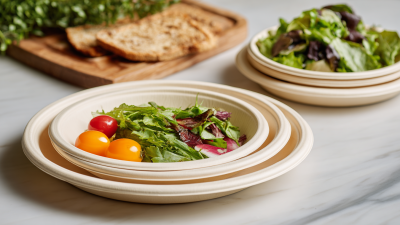
In recent years, sustainable packaging has gained significant attention. Businesses are seeking eco-friendly alternatives to traditional packaging. Bagasse containers emerge as a prime solution. Made from sugarcane pulp, these containers are biodegradable and compostable. They provide an excellent balance between functionality and environmental responsibility.
When considering the best bagasse containers, various factors come into play. Their durability is impressive, making them suitable for both hot and cold foods. Moreover, they do not contain harmful chemicals. Yet, consumer awareness about their benefits remains limited. This gap in knowledge raises questions. Are businesses fully embracing these containers?
As the market for eco-friendly packaging grows, awareness and education should improve. Bagasse containers could significantly reduce plastic waste. However, challenges around cost and availability persist. We must reflect on how to promote these sustainable options more effectively. Only then can we truly harness their potential.
Overview of Bagasse as an Eco-Friendly Packaging Material
Bagasse, the fibrous residue left after extracting juice from sugarcane, has emerged as a leading eco-friendly packaging material. Its biodegradable nature makes it a compelling alternative to traditional plastics. Research indicates that bagasse containers can decompose within 30 to 90 days in a composting environment. This rapid breakdown minimizes landfill waste and reduces the overall carbon footprint.
In addition to its environmental benefits, bagasse is also strong and durable. According to a report by the European Bioplastics Association, the demand for natural fibers like bagasse is expected to grow by 25% annually. This rise reflects a growing awareness of sustainability among consumers and businesses alike. However, the production of bagasse containers may not be as widespread as it should be. Some producers face challenges in scaling up production to meet increasing demand sustainably.
Bagasse's capabilities go beyond just eco-friendliness. Its moisture resistance and ability to withstand heat make it ideal for various food packaging applications. Yet, the industry still grapples with issues such as sourcing consistency and cost-effectiveness. Balancing quality and environmental impact remains a complex task for manufacturers looking to embrace this innovative material. There's room for improvement, and the journey toward widespread adoption of bagasse packaging is ongoing.
Best Bagasse Containers for Eco-Friendly Packaging Solutions
Benefits of Using Bagasse Containers for Sustainable Packaging
Bagasse containers offer numerous benefits for sustainable packaging. Made from sugarcane byproducts, they are biodegradable and compostable. This feature reduces landfill waste and promotes an eco-friendly lifestyle. Many businesses are shifting to such materials to enhance their sustainability efforts. Using bagasse not only helps the environment but also attracts eco-conscious consumers.
These containers can withstand heat and are microwave-safe, making them versatile for restaurants and food services. However, they may not be as durable as plastic, which can lead to potential spills. There are still improvements to be made in durability and moisture resistance. Finding the right balance of performance and sustainability is crucial for businesses.
Environmental impact is at the forefront of product choices today. Bagasse containers align with these values but come with challenges. Businesses need to ensure their supply chain supports these sustainable materials effectively. Continuous education on the benefits and limitations of bagasse can guide better decisions for all parties involved.
Best Bagasse Containers for Eco-Friendly Packaging Solutions
| Container Type |
Dimensions |
Capacity |
Biodegradability |
Heat Resistance |
| Clamshell Container |
6 x 6 x 3 inches |
30 oz |
Yes, 90-180 days |
Up to 200°F |
| Soup Bowl |
8 oz |
8 oz |
Yes, 90-180 days |
Up to 200°F |
| Dinner Plate |
10 inches |
9 in |
Yes, 90-180 days |
Up to 200°F |
| Food Tray |
10 x 7 x 2 inches |
32 oz |
Yes, 90-180 days |
Up to 200°F |
| Sandwich Container |
7.5 x 3.5 x 3 inches |
Pack of 1 |
Yes, 90-180 days |
Up to 200°F |
Types of Bagasse Containers Available in the Market
Bagasse containers are an innovative solution for eco-friendly packaging. Derived from sugarcane pulp, these containers offer sustainable options for foodservice and retail industries. The global market for biodegradable containers is projected to grow by over 15% annually. This shift is driven by increasing consumer demand for sustainable products.
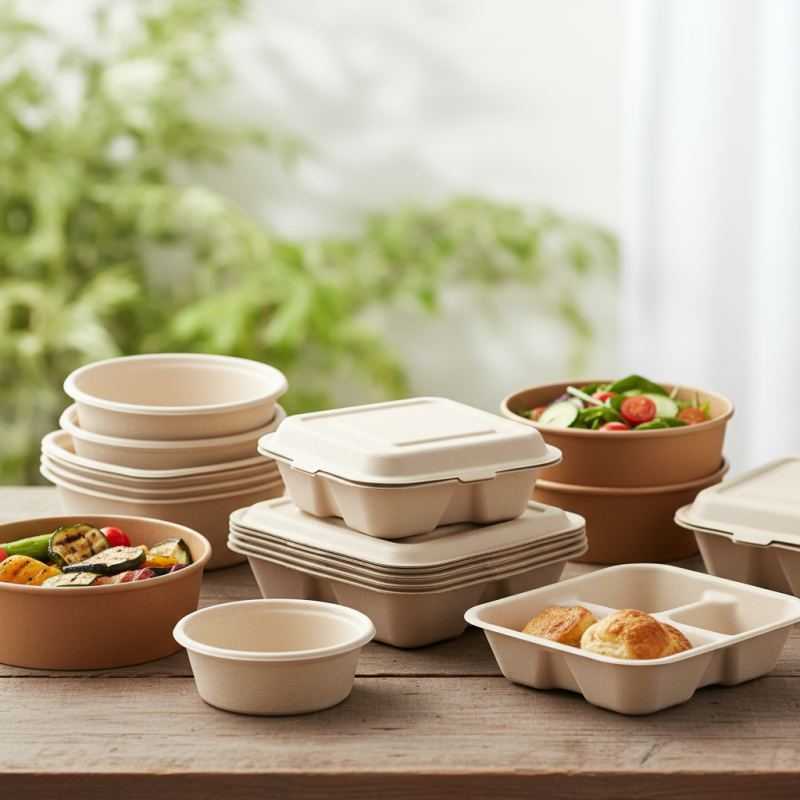
There are several types of bagasse containers available. Clamshell boxes, plates, and bowls are widely popular. Clamshell containers, often used for takeout food, provide an effective barrier against moisture. Plates and bowls made from bagasse are sturdy and suitable for hot and cold items. Their durability matches that of traditional plastic containers, making them reliable choices for restaurants.
Research indicates that bagasse containers can reduce carbon footprints significantly. They are compostable, breaking down in commercial composting facilities. However, the infrastructure for such facilities varies by region. Not all areas have comprehensive composting programs. This inconsistency poses challenges for widespread adoption of bagasse products. It remains essential for consumers and businesses to understand local waste management options when choosing these eco-friendly solutions.
Key Features to Consider When Choosing Bagasse Packaging Solutions
When selecting bagasse containers for eco-friendly packaging, specific features greatly influence effectiveness and sustainability. The material should display a high resistance to grease and moisture, ensuring that food items stay fresh. A recent report from Smithers Pira indicates that the demand for sustainable packaging is growing annually by 5.6%. This trend emphasizes the necessity of reliable materials for businesses.
Consider the size and shape of the containers. Customization helps in reducing waste. A standardized design might not fit every type of food, leading to overpacking. Data suggests that tailored solutions can reduce material usage by 15%. Keep in mind; not all bagasse products are created equal. Quality can vary widely, prompting the need for thorough research.
Tip: Always ask for certification. This ensures that the bagasse used meets industry standards. Check for compostability ratings, as not all types are created equal.
The aesthetic appeal is another crucial factor. Consumers often prefer visually appealing packaging. This influences their purchase decisions significantly, according to studies, where 70% of customers notice packaging design. However, relying solely on appearance can sometimes overlook the functional aspect, so balance is essential. Remember: effective packaging combines good looks and practicality for the best results.
Comparative Analysis: Bagasse Containers vs. Traditional Packaging Options
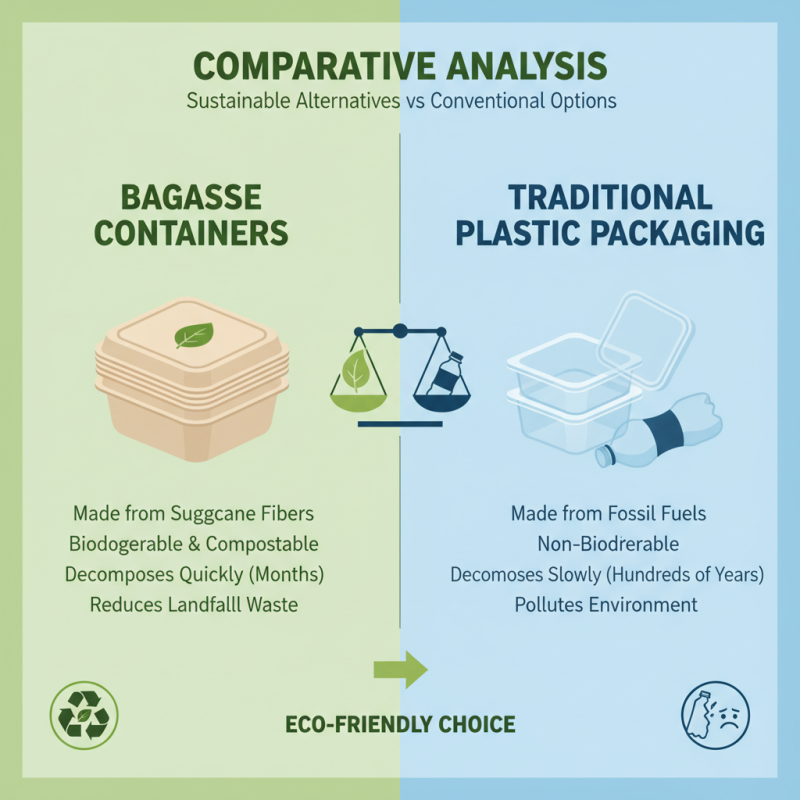
Bagasse containers emerge as a sustainable alternative to traditional packaging options, particularly plastic. Made from sugarcane fibers, these containers are biodegradable and compostable. They break down naturally, reducing waste in landfills. Unlike plastic, which can take hundreds of years to decompose, bagasse options offer a quicker return to the earth. This ability to decompose is vital in today’s eco-conscious market.
Traditional packaging often contributes to environmental degradation. Customers are increasingly aware of their choices. They seek products that align with their values. Traditional materials can leach harmful chemicals into their contents. In contrast, bagasse containers are naturally safe. They do not release toxins, making them a healthy choice for food packaging. However, they may not be as durable as plastic counterparts and can absorb moisture over time.
Using bagasse containers doesn’t mean sacrificing quality. Many businesses might hesitate due to perceived high costs. The initial investment may be more, but the long-term benefits are substantial. They can enhance brand image by showcasing a commitment to sustainability. As the demand for green solutions rises, bagasse containers may become essential for eco-focused brands. Still, relying purely on one type of material may limit versatility. A mixed approach could offer both sustainability and practicality.