What is Bagasse Tableware Benefits and Uses for Global Buyers?
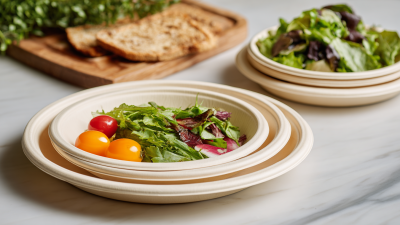
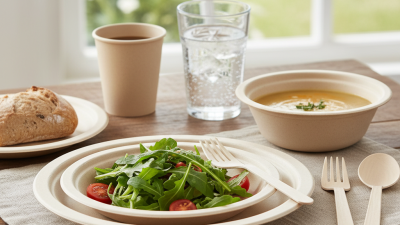
In the ever-evolving world of sustainable dining, Bagasse Tableware is gaining significant attention. Esteemed expert Dr. Emily Chen, a leading researcher in eco-friendly products, states, “Bagasse Tableware represents a pivotal shift towards sustainability in the food service industry.” This statement encapsulates the growing recognition of Bagasse, a byproduct of sugarcane, as a versatile and eco-conscious material for tableware.
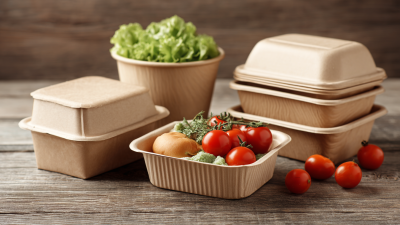
Manufacturers and consumers alike are embracing the unique benefits of Bagasse Tableware. It is biodegradable, compostable, and made entirely from renewable resources. This innovative product allows global buyers to reduce plastic waste while enjoying the aesthetic appeal of stylish, functional dining options. However, some concerns exist regarding the durability of Bagasse Tableware compared to traditional materials.
As more businesses pivot towards environmentally friendly practices, the demand for sustainable alternatives like Bagasse Tableware continues to increase. Companies must remain vigilant in addressing any shortcomings and enhance the performance of these products. The ongoing dialogue about Bagasse Tableware will shape its future in the marketplace, paving the way for a greener dining experience.
Bagasse Tableware: A Sustainable Alternative to Plastic Products
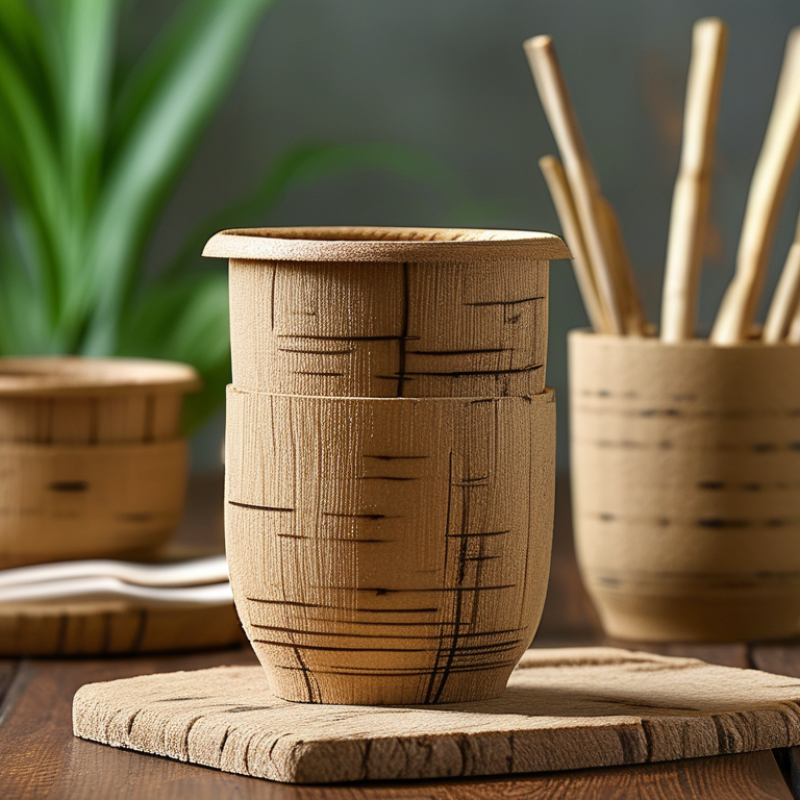
Bagasse tableware emerges as a compelling alternative to plastic products. Derived from sugarcane byproducts, bagasse is biodegradable and compostable. Unlike traditional plastic, which can take hundreds of years to decompose, bagasse breaks down naturally in about 90 days. This shift toward sustainable materials is increasingly crucial. In a report by the Environmental Protection Agency, plastic waste comprises 27% of municipal waste in the U.S., highlighting the pressing need for eco-friendly solutions.
The benefits of bagasse tableware extend beyond environmental impact. These products are sturdy and versatile. They resist oil and moisture, making them ideal for various food applications. Research from the Green Packaging Market indicates that the demand for biodegradable options will grow by 15% annually. This statistic highlights a broader shift in consumer preferences toward sustainable dining solutions. However, sourcing and production processes may still require refinement.
Challenges exist in achieving widespread adoption. Manufacturing capacity for bagasse tableware is currently limited compared to plastics. Quality control can also vary. Some products may not meet user expectations in sturdiness. Continuous improvement in production standards is essential for long-term success. Despite these hurdles, the potential for bagasse to replace harmful plastics is significant.
Environmental Impact: Reducing Waste with Bagasse Tableware
Bagasse tableware is an emerging solution for reducing environmental waste. Made from sugarcane fibers, it is biodegradable and compostable. This material breaks down within 90 to 180 days under suitable conditions. In contrast, traditional plastic products can take hundreds of years to decompose. According to industry reports, the global eco-friendly tableware market is projected to grow significantly, highlighting the rising demand for sustainable alternatives.
Using bagasse tableware can lower landfill contributions. It provides a viable option for restaurants and events aiming to reduce their carbon footprint. A 2022 study noted that using biodegradable materials can decrease greenhouse gas emissions by about 30%. This environmental clarity is crucial for buyers who prioritize sustainability. However, awareness about proper disposal methods is essential. Not all regions have composting facilities, which can impact the overall benefits.
Tips: Educate your customers on the importance of composting bagasse products. Encourage waste segregation at events. Consider testing bagasse items for any potential flaws, as customer feedback is vital for improvement. Recognizing these areas can enhance the adoption of bagasse tableware in various sectors.
Market Growth: The Rising Demand for Eco-Friendly Tableware Options
The global shift towards sustainability is driving an increased demand for eco-friendly tableware, particularly bagasse options. According to recent industry reports, the global eco-friendly tableware market is projected to reach $3.25 billion by 2026, growing at a CAGR of 8.3%. This growth reflects changing consumer attitudes. More people seek alternatives that reduce plastic waste.
Bagasse tableware, made from sugarcane pulp, offers significant advantages. It is biodegradable and compostable, breaking down naturally within 90-120 days. This feature aligns with the rising preference for environmentally responsible products. Additionally, bagasse is sturdy enough to hold hot and cold foods without leaking, making it suitable for various settings. However, challenges remain. Some manufacturers struggle to meet quality standards consistently, which can impact buyer trust.
The trend also shows a shift in consumer purchasing habits. Research indicates that 70% of consumers are now willing to pay more for sustainable products. As awareness grows, manufacturers must adapt to meet this demand while maintaining a balance between quality and sustainability. Monitoring performance metrics will be vital for businesses seeking to thrive in this evolving market landscape.
Health and Safety: Non-Toxic Benefits of Bagasse Tableware for Consumers
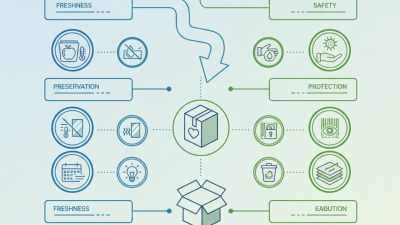
Bagasse tableware has gained popularity as a sustainable alternative to traditional plastic products. Made from sugarcane pulp, it offers numerous health and safety benefits. This biodegradable material is free from harmful chemicals, making it an excellent choice for consumers focused on safety.
Many people appreciate that bagasse tableware does not leach toxins into food. This is particularly important for families concerned about the health of children. Furthermore, the food-grade nature of the material ensures its suitability for various dishes. It is strong enough to hold hot and cold foods without compromising integrity. This reliability has secured a place in restaurants and homes alike.
While bagasse tableware presents a promising solution, it's essential to consider its limitations. Not all suppliers may adhere to high safety standards. Therefore, buyers need to verify product certifications. In a world of disposable items, choosing bagasse should involve careful thought about sourcing and environmental impact.
Health and Safety Benefits of Bagasse Tableware
Cost Efficiency: Economic Advantages for Businesses Using Bagasse Products
Bagasse tableware is becoming popular for its cost efficiency and economic advantages. Businesses can greatly benefit from this eco-friendly material. It is made from sugarcane fibers, which are typically discarded. By using bagasse products, companies are reducing waste while optimizing their operations.
One major economic advantage is that bagasse tableware often costs less than traditional plastic or paper products. They are durable and suitable for both hot and cold foods. This flexibility can lead to savings on supplies. Moreover, they are biodegradable, which can reduce waste disposal costs for businesses.
Tips: Consider bulk purchasing to lower unit costs. Regularly assess the supplier's reliability to maintain quality. Make sure to communicate the sustainability aspect of your products to attract eco-conscious consumers. This can enhance your brand image and possibly boost sales. Lastly, reflect on how embracing such sustainable practices aligns with your business values. Continuously evaluate your material choices for better environmental impact.